
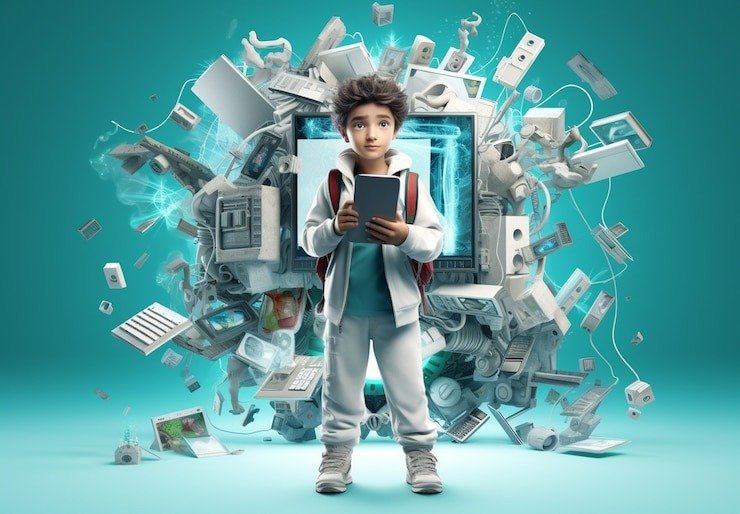
The digital age has transformed our lives in ways we could have never imagined a few decades ago. From the smartphones we carry in our pockets to the vast networks that connect us to the world, digital technology is at the forefront of innovation, shaping our present and future. This article delves into various aspects of digital technology, exploring its impact on society, business, education, and daily life.
The Evolution of Digital Technology
Digital technology has come a long way since the invention of the first computers. The transition from analog to digital began in the mid-20th century, with early computers occupying entire rooms and performing basic calculations. Fast forward to today, and we have powerful devices like laptops, tablets, and smartphones that fit in the palm of our hands, capable of executing complex tasks in seconds.
The development of the internet in the late 20th century marked a significant turning point, creating a global network that revolutionized communication and information sharing. With the rise of social media platforms, blogs, and e-commerce websites, digital technology has changed how we connect, learn, and do business.
The Impact of Digital Technology on Communication
One of the most profound effects of digital technology is on communication. Gone are the days of waiting for letters to arrive by post or making long-distance phone calls that cost a fortune. Today, we can connect with anyone around the globe in real-time through various digital platforms.
Social media has changed the landscape of communication, allowing people to share their thoughts, experiences, and lives with a click of a button. Email, instant messaging, and video conferencing tools have made it easier than ever to stay in touch with friends, family, and colleagues, irrespective of geographical barriers.
“Digital technology has not only enhanced our ability to communicate but has also opened up new avenues for collaboration and creativity.”
Digital Technology in Business
The business world has also seen a significant transformation due to digital technology. Companies are now able to reach a global audience through online marketing strategies, social media campaigns, and e-commerce platforms. The traditional brick-and-mortar model is evolving, with many businesses establishing an online presence to cater to the growing demands of consumers who prefer shopping from the comfort of their homes.
Moreover, digital technology has improved operational efficiency. Businesses can leverage data analytics to gain insights into customer behavior, streamline processes, and make informed decisions. Cloud computing allows for better collaboration among teams, enabling remote work and access to crucial resources from anywhere in the world.
The Role of Digital Technology in Education
Education has been profoundly impacted by digital technology as well. The traditional classroom setting is evolving, with online learning platforms providing access to education for learners of all ages. Students can now attend virtual classes, access a wealth of information online, and collaborate with peers through digital tools.
Moreover, educational institutions are adopting technology to enhance teaching methodologies. Interactive learning experiences, such as gamified lessons and virtual reality simulations, are becoming more common, making education more engaging and accessible.
The Future of Digital Technology
As we look to the future, the potential of digital technology seems limitless. Emerging technologies such as artificial intelligence (AI), the Internet of Things (IoT), and blockchain are set to redefine industries and create new opportunities. AI, for instance, is revolutionizing fields ranging from healthcare to finance by enabling automation and enhancing decision-making processes.
The IoT connects everyday devices to the internet, creating smarter homes and cities that optimize energy usage and improve efficiency. Meanwhile, blockchain technology offers unprecedented security and transparency in transactions, which could reshape industries like banking and supply chain management.
Our contribution
In conclusion, digital technology is an integral part of our lives, shaping how we communicate, work, learn, and engage with the world around us. As we continue to explore and innovate within this amazing realm, it is crucial to embrace the changes and challenges that come with it. Understanding the implications of digital technology will empower us to harness its potential for the betterment of society, paving the way for a more connected and advanced future.
