
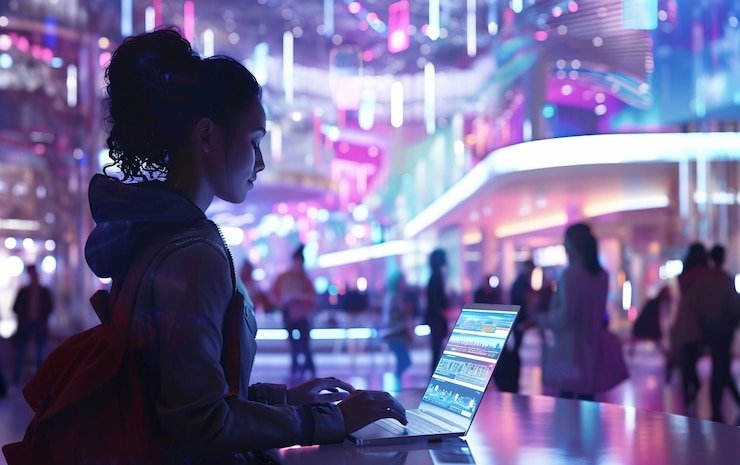
In the early 21st century, we stand at the precipice of what some are calling the Fourth Industrial Revolution. The digital revolution, characterized by the integration of digital technologies into everyday life, has fundamentally transformed how we communicate, work, and live. The past few decades have seen an explosion of innovations, from the advent of the internet to the rise of artificial intelligence, all of which have reshaped our world in profound ways.
The Dawn of the Digital Age
The seeds of the digital revolution were sown in the mid-20th century with the development of computers and the internet. Originally designed for military and academic use, these technologies have since permeated every aspect of society. The internet, in particular, has become a global phenomenon, connecting billions of people and facilitating the rapid exchange of information. This newfound accessibility has democratized knowledge, empowering individuals and communities worldwide.
A New Era of Communication
One of the most significant impacts of the digital revolution is the transformation of communication. Social media platforms such as Facebook, Twitter, and Instagram have revolutionized how we connect with one another. No longer limited by geography, individuals can share their thoughts, experiences, and creativity with a global audience. This has fostered a new culture of engagement and community, where ideas can spread like wildfire.
“The digital revolution has broken down barriers and created a network of human connection that was previously unimaginable. It has given a voice to the voiceless and allowed for the sharing of diverse perspectives.”
Artificial Intelligence: The Game Changer
Artificial intelligence (AI) stands at the forefront of the digital revolution. From machine learning algorithms that can predict consumer behavior to AI-driven personal assistants like Siri and Alexa, the capabilities of AI are expanding daily. Businesses are leveraging AI to streamline operations, enhance customer experiences, and drive innovation. In healthcare, AI is being used to analyze patient data, leading to more accurate diagnoses and personalized treatment plans.
The Internet of Things (IoT)
The Internet of Things (IoT) refers to the network of interconnected devices that communicate and share data with each other. This technology is reshaping industries such as manufacturing, transportation, and even agriculture. Smart homes, equipped with devices that can be controlled remotely, are becoming increasingly popular, providing convenience and efficiency to daily tasks. In smart cities, IoT technology is being utilized to improve urban infrastructure, reduce energy consumption, and enhance public safety.
Embracing Virtual and Augmented Reality
Virtual reality (VR) and augmented reality (AR) have emerged as groundbreaking technologies with the potential to alter countless experiences. In entertainment, VR offers immersive gaming experiences that transport players into fantastical worlds. In education, AR provides interactive learning environments, allowing students to visualize complex concepts in real-time. These technologies are not just limited to entertainment and education; industries like real estate and tourism are utilizing VR and AR to create engaging experiences for clients and consumers.
The Future of Work
The digital revolution is also redefining the workplace. Remote work, once a privilege, has become a norm for millions of employees around the globe, facilitated by collaboration tools like Zoom, Slack, and Microsoft Teams. This shift has prompted companies to rethink their policies on employee engagement, productivity, and work-life balance. The integration of digital tools has led to increased flexibility, allowing individuals to work from anywhere, thereby attracting a more diverse and global talent pool.
Challenges of the Digital Revolution
Despite its many benefits, the digital revolution poses significant challenges. Privacy concerns are at the forefront, as individuals grapple with the implications of sharing personal data online. Cybersecurity threats continue to evolve, putting sensitive information at risk. Additionally, the digital divide remains a pressing issue, as not everyone has equal access to technology. Bridging this gap is essential to ensure that the benefits of the digital revolution are accessible to all.
Our contribution
As we continue to explore amazing technology, the digital revolution shows no signs of slowing down. Its impact on society is profound and far-reaching, influencing every aspect of our lives. Embracing these changes while addressing the accompanying challenges will be critical in shaping a future that is equitable, innovative, and connected. The digital revolution has unleashed a wave of possibilities, and it is up to us to navigate this new landscape responsibly.
